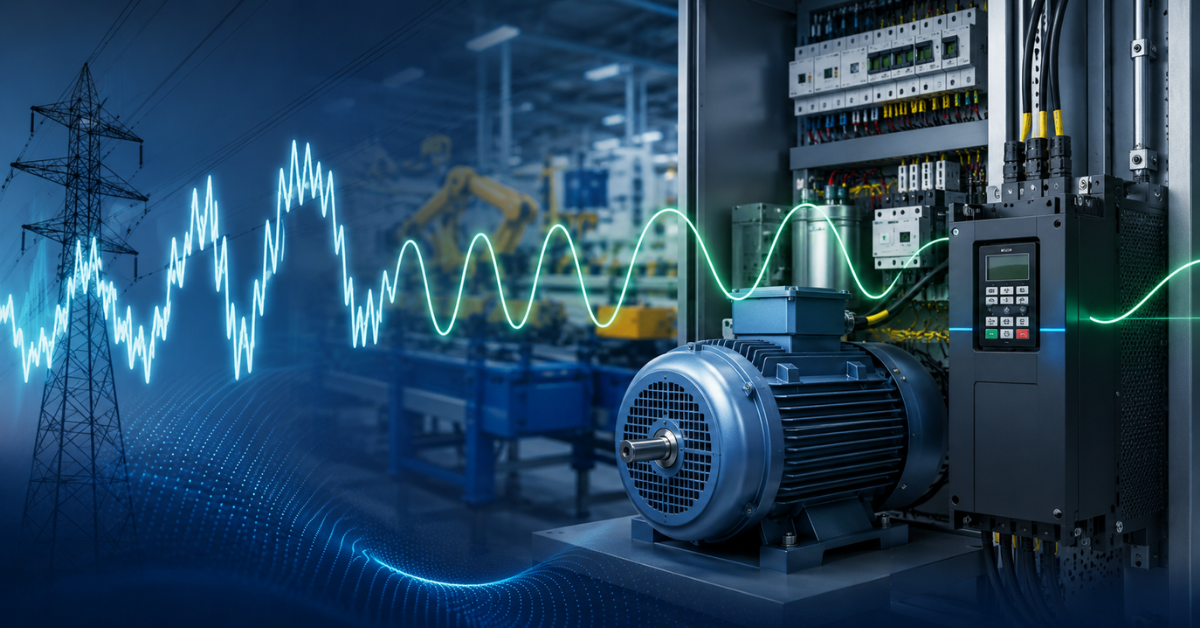


Manufacturers seek practical solutions to improve quality, reduce waste, and prevent downtime without increasing plant floor complexity. One emerging method is applying machine learning directly within the operational technology (OT) environment, closer to machines, processes, and controllers.
FactoryTalk Analytics LogixAI meets this need by enabling OT personnel to build predictive models directly from controller data using a structured workflow, without requiring data scientists or custom AI coding.
What Is LogixAI?
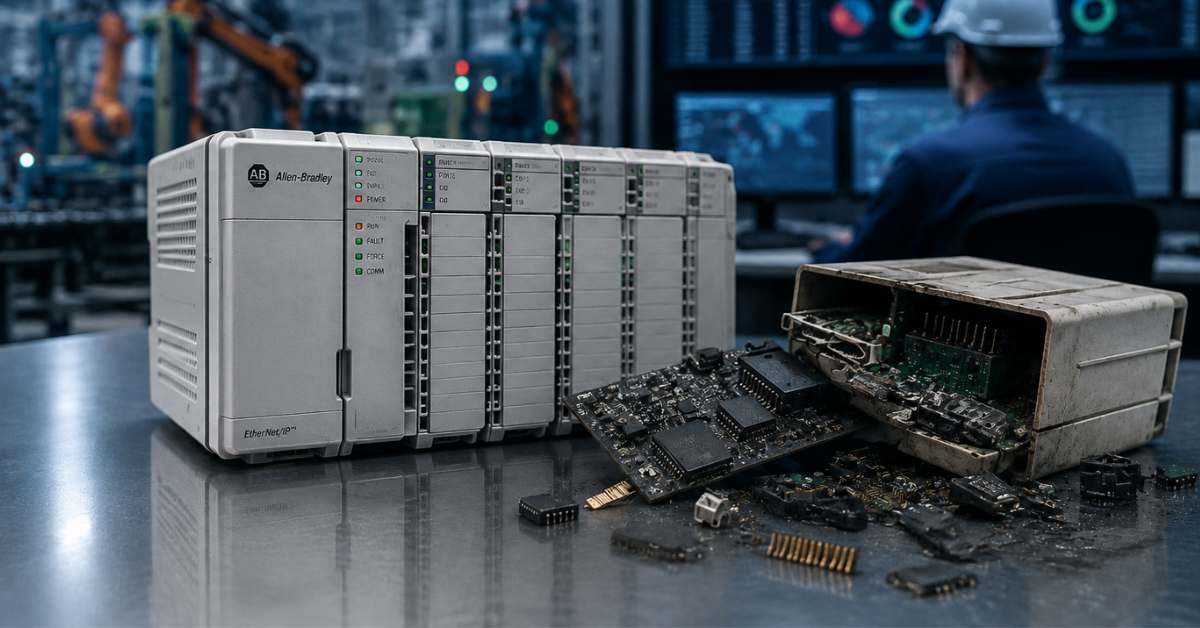
FactoryTalk Analytics LogixAI is an edge-based machine learning solution, available as an in-chassis module or a containerized application on an industrial edge PC. It converts high-speed controller data into real-time predictive calculations that operators and PLCs can use immediately to improve processes.
Unlike traditional analytics platforms that depend on cloud processing or offline analysis, LogixAI runs models locally at the edge. Predictions are sent directly to the PLC environment, allowing real-time, adaptive closed-loop control.
The platform provides two primary predictive functions:
Soft Sensors: Predicting What Is Difficult to Measure
A key application of LogixAI is creating “soft sensors.” Rather than depending solely on physical instruments or manual testing, the system predicts operational variables using live process data.
Examples include:
Fluid Packaging and Fill Control
In packaging systems, changes in liquid temperature, density, or line speed can cause overfilling or underfilling. LogixAI analyzes variables such as nozzle pressure, pump speed, and liquid temperature to predict the final package weight in real time. The PLC can then automatically adjust fill setpoints to minimize product giveaway and prevent underfills.
Industrial Baking and Drying
Traditionally, measuring moisture content requires manual lab testing, which delays feedback and destroys samples. LogixAI continuously predicts internal moisture by monitoring ambient humidity, oven temperature, burner fuel flow, and proving conditions. This enables automatic compensation for environmental changes, improving consistency and decreasing energy use.
Continuous Web and Splice Control
In tire, plastics, and paper manufacturing, splice accuracy affects scrap rates and downstream reliability. LogixAI predicts splice tolerance by evaluating material tension, feed speed, and cutter position. The controller can then proactively change settings to prevent defects.
Oil & Gas Production Monitoring
Downhole instrumentation in oil and gas is often expensive and prone to failure. LogixAI serves as an inferential soft sensor, estimating production values from available measurements, thereby reducing the need for costly physical instruments.
Virtual Sensor Redundancy
The software also provides backup predictive values for critical measurements like pressure or temperature. If a physical sensor fails, the system can temporarily use the predictive model to maintain safe operation until maintenance is completed.
Anomaly Detection: Learning Normal Machine Behavior
LogixAI’s second major capability is anomaly detection. Instead of predicting a single variable, the software learns the normal operating profile of a machine or process and continuously monitors for deviations.
This approach delivers earlier warnings of equipment wear, process instability, or quality drift, preventing production losses.
Real-world use cases include:
Configuration and Controller Integration
Configuration begins by defining the prediction model within the LogixAI interface. This includes:
The system trains models chronologically using live operational data, preserving real-world process timing rather than randomly shuffling data. This allows the model to learn actual process relationships, delays, and operational behavior as they occur in production.
Once training is complete, the PLC can immediately use predicted values, relative error calculations, and anomaly flags directly within control logic.
Practical AI for the Plant Floor
For many manufacturers, the challenge is no longer whether machine learning can provide value, but whether it can be implemented in ways that support real production environments.
FactoryTalk Analytics LogixAI allows manufacturers to apply predictive analytics directly within their control systems using live operational data already available in the PLC environment. This creates opportunities to reduce waste, improve process consistency, detect abnormal operating conditions earlier, and support more adaptive machine control without adding unnecessary complexity to the plant floor.
By combining edge-based execution with direct PLC integration, LogixAI provides a practical approach to bringing machine learning into day-to-day manufacturing operations.