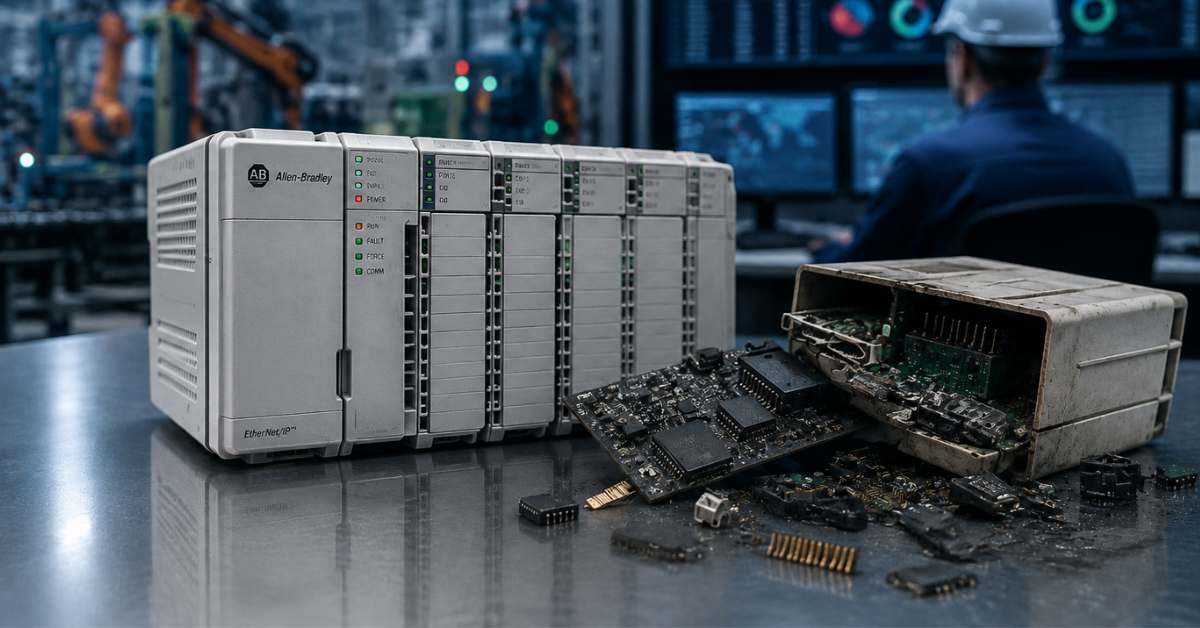


A Sustainable Strategy for Maximizing Value and Uptime
Supply chain disruptions continue to challenge manufacturers across industries. Maintaining production levels can become difficult when replacement parts are delayed, raw materials are scarce, or critical industrial components fail unexpectedly.
When a key component breaks down, waiting weeks—or even months—for a replacement can halt production and impact profitability.
Fortunately, there’s a smarter and more sustainable solution: remanufacturing and repair services that restore industrial components to like-new condition while helping you keep operations running.
Why Repair Instead of Replace?
Industrial components eventually wear out or fail, but replacing them with new equipment isn’t always the best—or even possible—option. In many cases, repairing and remanufacturing existing assets offers significant advantages.
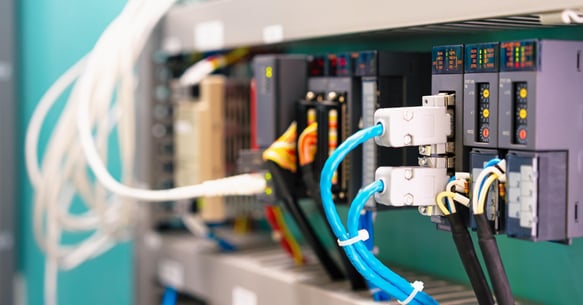
Cost Savings
Repairing equipment is often significantly less expensive than purchasing new components. When multiplied across multiple failures throughout the year, the savings can quickly add up. For many facilities, a structured repair program can dramatically reduce maintenance, repair, and operations (MRO) costs.
Warranty Opportunities
Before replacing a component, check whether it is still covered under a manufacturer's or extended warranty. Many repairs may be fully covered.
Additionally, remanufactured units often come with extended repair warranties, which may exceed the warranty period of new products—offering long-term financial protection.
Faster Turnaround
Supply chain delays can make replacement components difficult to obtain. In many cases, sending a part out for repair may result in faster turnaround times than waiting for new inventory to become available.
Support for Legacy Equipment
Many manufacturing facilities rely on legacy automation components that are no longer produced. When modernization isn’t immediately feasible, repair services may be the only viable option to keep systems operational.
Working with the original manufacturer or an authorized repair provider also reduces the risk of relying on gray market components that may lack proper certification, firmware updates, or quality assurance.
Sustainability Benefits
Repair and remanufacturing support the circular economy, reducing waste and environmental impact.
According to the International Resource Panel, remanufacturing can save approximately:
- 85% of energy
- 85% of water
- 85% of raw materials
compared to manufacturing new products.
For organizations pursuing sustainability initiatives, repair programs help reduce landfill waste, lower carbon emissions, and extend the lifecycle of valuable assets.
Choosing the Right Repair Partner
Not all repair providers deliver the same level of quality. A reliable repair or remanufacturing partner should:
- Use genuine components
- Replace aged or marginal parts proactively
- Perform rigorous testing comparable to new product standards
- Provide firmware and software updates when applicable
- Offer clear repair warranties
Working with a trusted partner ensures repaired assets return to production-ready and perform reliably.
The Importance of a Repair Strategy
While sending individual parts for repair as they fail can work, organizations gain far more value by implementing a formal repair strategy.
A well-structured repair strategy helps reduce maintenance costs, simplify workflows, and improve equipment uptime.
Identify Repairable Assets
Ensure maintenance and storeroom teams know which parts are repairable. This may involve:
- Labeling repairable components
- Using your CMMS to flag repair options
- Documenting preferred repair vendors
Without clear visibility, repairable parts may be unnecessarily scrapped.
Evaluate Repair Opportunities
Analyze how many repairable components your facility currently repairs versus how many could be repaired.
Understanding this gap can reveal significant cost-saving opportunities.
Track Warranties
Many industrial assets include manufacturer warranties, service warranties, or extended coverage.
Tracking warranty status prevents unnecessary repair expenses and ensures your team takes full advantage of available support.
Build Strategic Vendor Partnerships
Evaluate repair providers based on more than just price. Consider:
- Quality of repair
- Warranty coverage
- Turnaround times
- Additional services such as firmware updates and testing
OEM repair programs often provide additional value and long-term reliability.
Consider Repair Agreements
Repair contracts can streamline processes and reduce costs by offering:
- Predictable pricing
- Faster processing
- Discounted repair rates
- Simplified administrative workflows
By consolidating repairs with one or two trusted vendors, organizations can maximize efficiency and cost savings.
Ensure Internal Adoption
Even the best repair strategy fails without team adoption.
Maintenance and storeroom teams should clearly understand when and how to send components for repair rather than scrapping them. Regular communication and performance tracking help reinforce the strategy’s success.
See ES&E Repair+ Service
Supporting Asset Reliability
Repair strategies should be supported by strong preventive maintenance programs.
Ensure maintenance teams perform regular service checks and that preventive tasks are tracked in your CMMS. Preventive maintenance can significantly extend the life of industrial components and reduce unexpected failures.
Additionally, organizations should plan long-term modernization strategies. While repair services can extend the life of legacy systems for years, upgrading to newer technologies eventually becomes necessary to maintain efficiency and supportability.
What is Remanufacturing?
The Remanufacturing Industries Council defines remanufacturing as:
“A comprehensive industrial process that restores used or non-functional products to like-new condition through a controlled, reproducible, and sustainable process.”
For industrial automation equipment, remanufacturing typically includes:
- Replacing failed or worn components
- Upgrading aged or marginal parts
- Updating firmware or software
- Fully testing equipment to original specifications
- Providing a repair warranty on the entire unit
For example, Rockwell Automation Remanufacturing services restore automation components to original operating conditions while improving reliability and extending equipment lifespan.
Extend Asset Life and Improve Uptime
A strategic repair and remanufacturing program allows manufacturers to:
- Extend the life of critical equipment
- Improve machine uptime
- Reduce MRO costs
- Support sustainability goals
- Maintain production despite supply chain disruptions
By partnering with trusted service providers and implementing a proactive repair strategy, organizations can ensure their industrial assets continue delivering value for years to come.